Performance Management with Analytics
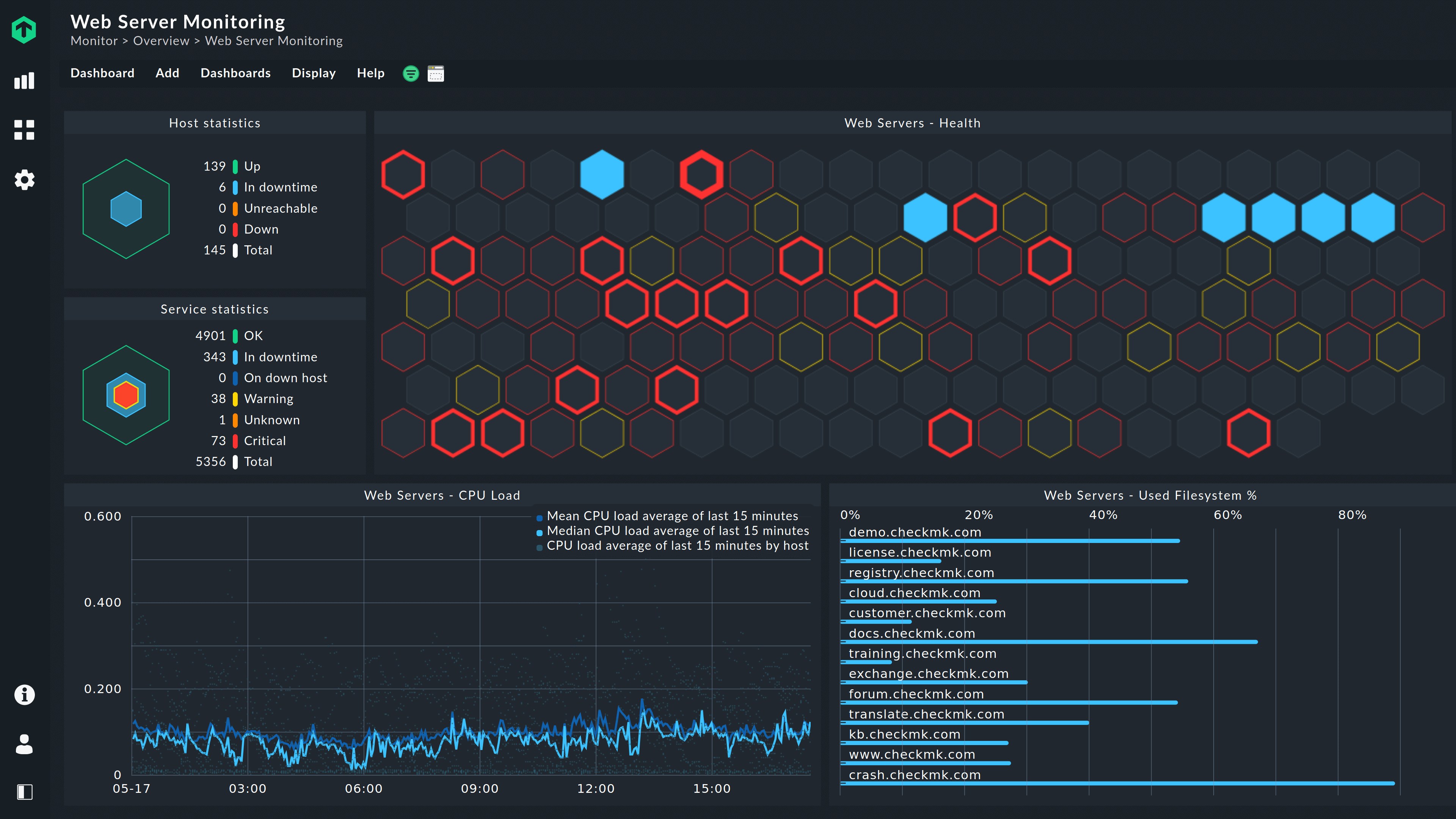
Performance management with analytics has become a cornerstone of modern business operations. By leveraging advanced software tools, companies can monitor key performance indicators (KPIs) in real time, ensuring that goals are met and resources are used effectively. This approach transforms raw data into actionable insights that drive continuous improvement.
Analytics provides clarity by consolidating information from multiple sources into a single dashboard. Managers can quickly identify trends, spot inefficiencies, and make informed decisions. This reduces guesswork and ensures that strategies are based on evidence rather than assumptions.
One of the most valuable aspects of performance analytics is predictive modeling. By analyzing historical data, companies can forecast future outcomes, anticipate challenges, and prepare proactive solutions. This capability helps organizations remain agile in dynamic markets.
Performance management also enhances accountability. With transparent metrics available to all stakeholders, employees understand how their contributions impact overall success. This fosters a culture of responsibility and motivates teams to achieve higher standards of performance.
Analytics tools further support operational efficiency by identifying bottlenecks and recommending process improvements. For example, they can highlight delays in supply chains or inefficiencies in customer service, enabling managers to implement corrective measures promptly.
In addition, performance analytics strengthens customer relationships. By tracking satisfaction levels, response times, and service quality, companies can tailor their strategies to meet client expectations more effectively. This leads to stronger loyalty and long?term business growth.
Overall, this video emphasizes that performance management with analytics is not just about measuring results—it is about creating a cycle of continuous improvement. By combining data, technology, and strategic leadership, organizations can achieve sustainable success and maintain a competitive edge in their industries.
Cloud Infrastructure and Virtualization
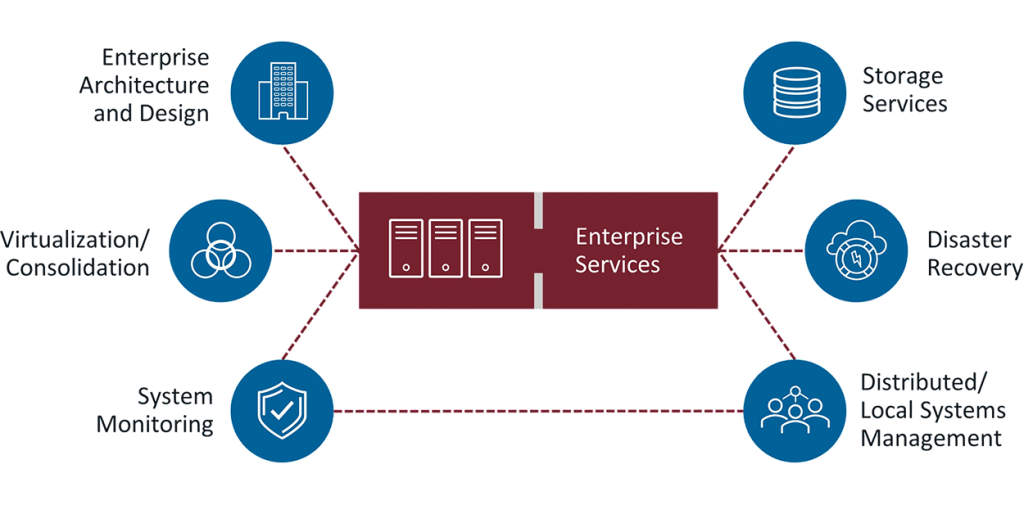
Cloud infrastructure has become the backbone of modern enterprises, enabling organizations to store, process, and manage data more efficiently. By moving operations to the cloud, companies gain flexibility, scalability, and cost savings compared to traditional on?premises systems. This transformation is essential for businesses that need to adapt quickly to changing market demands.
Virtualization plays a central role in cloud infrastructure by allowing multiple virtual machines to run on a single physical server. This maximizes hardware utilization, reduces energy consumption, and lowers operational costs. It also provides the agility needed to deploy new applications and services without delays.
One of the key advantages of cloud infrastructure is scalability. Companies can easily expand or reduce resources based on demand, ensuring that they only pay for what they use. This elasticity is particularly valuable for industries with fluctuating workloads, such as e?commerce or seasonal services.
Cloud infrastructure also enhances collaboration. Employees can access applications and data from anywhere, enabling remote work and global teamwork. This accessibility ensures that business operations remain uninterrupted, even in times of crisis or disruption.
Security is another critical aspect of cloud infrastructure. Providers implement advanced measures such as encryption, firewalls, and continuous monitoring to protect sensitive information. Virtualization adds an extra layer of isolation between workloads, reducing the risk of breaches and ensuring compliance with industry standards.
Performance management is improved through cloud monitoring tools that track system health, resource usage, and application performance. These insights allow IT teams to optimize operations, prevent downtime, and deliver consistent service quality to customers.
Overall, cloud infrastructure and virtualization are not just technical solutions—they are strategic enablers of digital transformation. They empower organizations to operate more efficiently, securely, and flexibly, ensuring long?term competitiveness in a rapidly evolving business environment.
Enterprise Software for Connected Systems
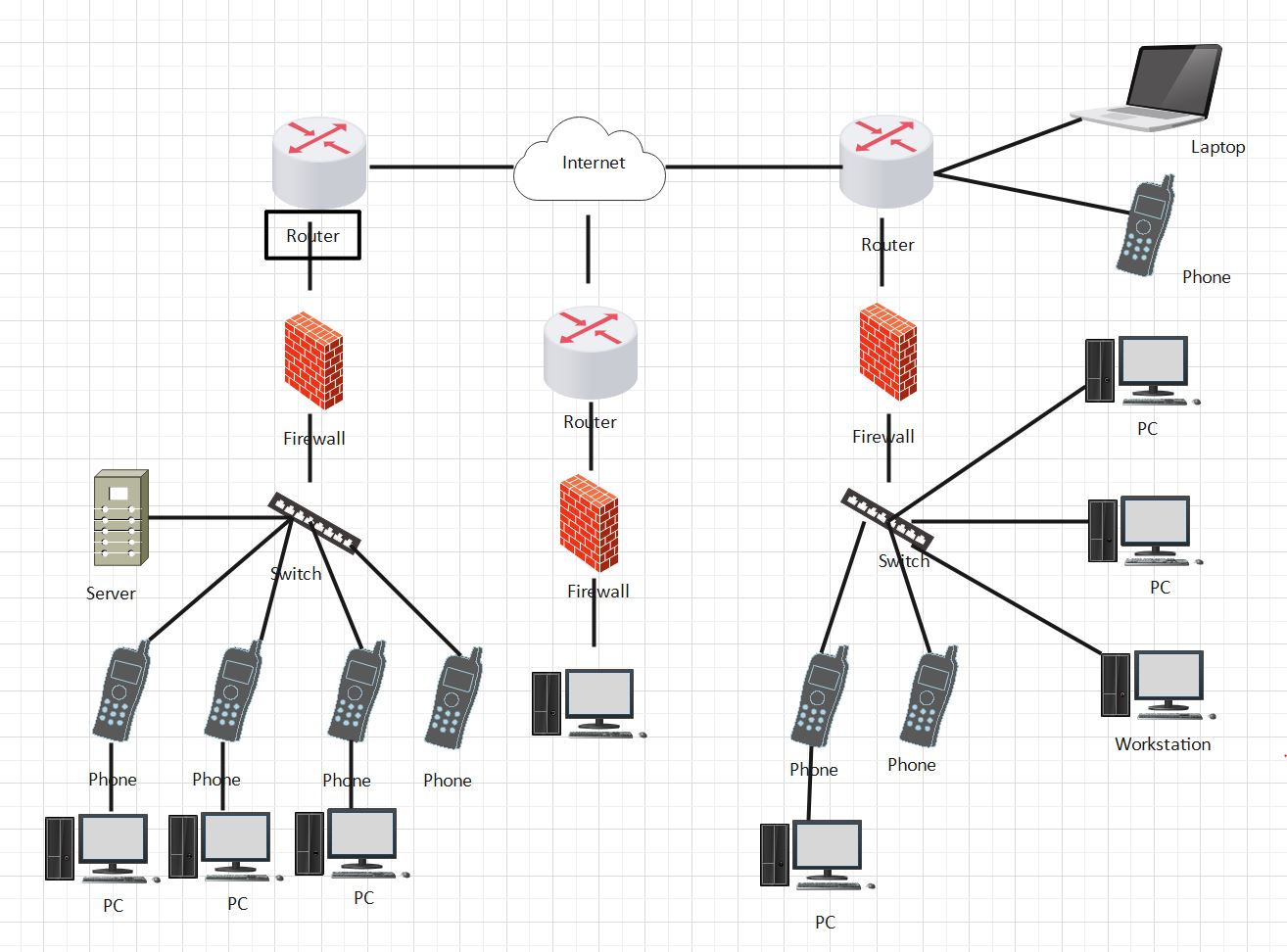
Enterprise software for connected systems plays a vital role in modern organizations by integrating diverse operations into a unified digital platform. It enables companies to streamline workflows, reduce redundancies, and ensure that information flows seamlessly across departments. This integration is essential for maintaining efficiency in complex enterprises.
One of the key benefits of connected systems is improved communication. By linking applications, databases, and devices, enterprise software ensures that employees have access to accurate and up?to?date information. This reduces delays, minimizes errors, and enhances collaboration across teams, whether they are working locally or remotely.
Connected systems also support automation, allowing routine tasks to be handled by software rather than manual processes. This not only saves time but also frees employees to focus on higher?value activities such as innovation, customer engagement, and strategic planning. Automation is a cornerstone of digital transformation.
Another important aspect is scalability. Enterprise software can grow with the organization, adapting to increased workloads, expanding user bases, and new business requirements. This flexibility ensures that companies remain competitive in fast?changing markets without needing to overhaul their entire IT infrastructure.
Security is also a critical feature of connected systems. Enterprise software incorporates advanced measures such as encryption, access controls, and monitoring tools to protect sensitive data. By centralizing security protocols, organizations can safeguard their operations against cyber threats while maintaining compliance with industry regulations.
Connected systems further enhance decision?making through analytics. By consolidating data from multiple sources, enterprise software provides managers with actionable insights. Dashboards and reports allow leaders to identify trends, measure performance, and make informed choices that drive growth and efficiency.
Overall, enterprise software for connected systems is more than just a technological solution—it is a strategic enabler. It empowers organizations to operate efficiently, securely, and intelligently, ensuring that every part of the enterprise contributes to long?term success.